
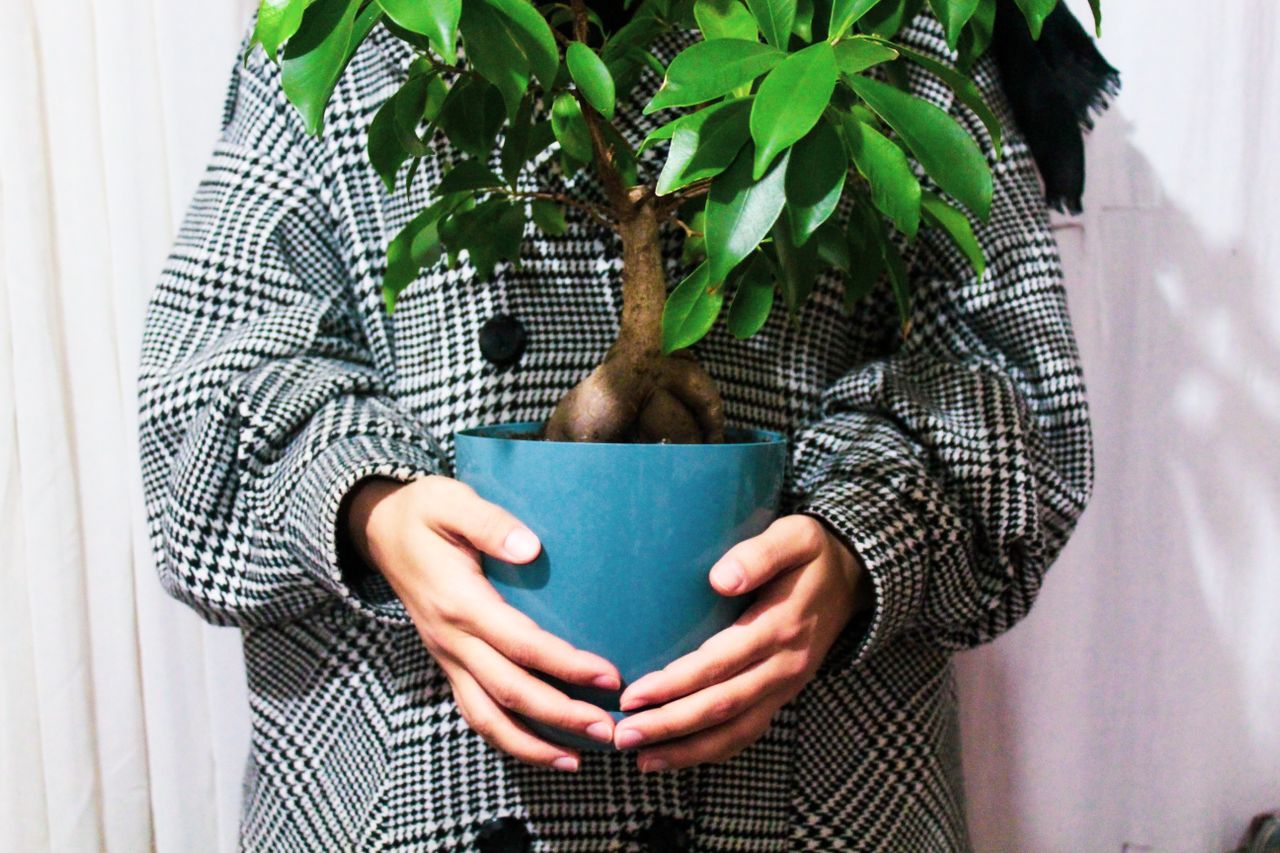
Giving a plant as a gift commonly communicates growth, care, endurance or a wish for the recipient’s future happiness. Unlike cut flowers, a living plant can continue growing long after the occasion has passed.
The exact meaning depends on the plant, the occasion and the recipient. An orchid might express admiration, an olive tree can represent peace, and a pot of herbs may simply be a useful and thoughtful host gift.
A plant is not automatically suitable for everyone. Before choosing one, consider the recipient’s available space, light, interest in plant care and whether children or pets live in the home.
This guide explains the meaning of giving plants, ten of the best plants to give as gifts and the etiquette and safety considerations that can help you choose well.
Disclosure: This article may contain affiliate links. If you buy something through one of these links, we may earn a small commission at no additional cost to you.
Giving a Plant as a Gift: Quick Answer
A plant gift can represent:
- Growth and new beginnings
- Lasting friendship or affection
- Strength and resilience
- Peace and reconciliation
- Prosperity or good fortune
- Remembrance
- Care for the recipient
- A shared interest in gardening or nature
Good plant gifts include orchids, spider plants, potted herbs, rosemary and carefully selected succulents. Jade plants, lucky bamboo, peace lilies and snake plants can also be meaningful, but they may be unsuitable for homes with pets.
The safest choice is a healthy, manageable plant suited to the recipient’s home and experience. Include its botanical name and simple care instructions.
What Does Giving a Plant as a Gift Mean?
Giving someone a living plant often conveys the idea of wishing them continued growth and wellbeing.
This makes plants especially suitable for occasions involving a new beginning, including:
- Moving into a new home
- Starting a new job
- Opening a business
- Graduating
- Beginning a relationship
- Welcoming a new year
- Recovering from a difficult period
A plant can also serve as a long-lasting reminder of the person who gave it. That can make it appropriate for friendship, remembrance or sympathy.
However, these meanings are associations rather than a universal language. A succulent does not automatically communicate endurance to every recipient, and a peace lily may be interpreted as a sympathy plant in one community but simply as an attractive houseplant in another.
Your relationship and the circumstances matter more than finding a supposedly perfect symbolic meaning.
A plant can also communicate something unintended. Giving a difficult plant to someone who travels frequently may create work rather than pleasure. A large plant can become a storage problem, while a toxic species may be unsafe in a household with pets or young children.
The most thoughtful plant gifts balance symbolism with practical suitability.

How to Choose the Right Plant Gift
Before buying a plant, consider the following questions.
Does the recipient enjoy caring for plants?
Not everyone wants responsibility for a living gift. If the recipient has previously mentioned struggling with plants, choose an easy-care variety or a different present.
How much light does their home receive?
A sun-loving olive tree will struggle in a dark apartment. Some tropical houseplants tolerate lower light, but even shade-tolerant plants generally need some natural light.
Do they have children or pets?
Many common houseplants can cause irritation or illness if chewed or swallowed. Peace lilies, jade plants, golden pothos, lucky bamboo and snake plants may be unsuitable for homes with cats or dogs.
The ASPCA maintains searchable lists of plants that are toxic and non-toxic to animals. Check the exact botanical name rather than relying only on a common name. Consult the ASPCA’s plant-safety database.
How much space is available?
A compact plant is easier to place than one that may quickly outgrow its pot. Consider the plant’s mature size, not only how it looks in the shop.
Is the plant suitable for the recipient’s climate?
Outdoor plants need to suit local temperatures, rainfall and seasonal conditions. Some plants sold as indoor gifts in one country may grow better outside in another.
Can the plant be transported safely?
Soil, plants and seeds may be restricted when crossing international or regional borders. Purchase the plant near the recipient whenever possible rather than travelling with it.
10 Meaningful Plants to Give as Gifts
1. Orchid — Admiration and Achievement
An orchid can express admiration, elegance and celebration. Its refined appearance makes it popular for birthdays, anniversaries, professional achievements and business openings.
Potted moth orchids are also relatively compact and can flower for an extended period when kept in suitable conditions.
In Japan, potted orchids are commonly sent to acknowledge business openings, promotions and other professional milestones. This does not mean that every orchid has the same significance in every part of Asia. Colour, presentation and the recipient’s preferences still matter.
Orchids are not necessarily as effortless as they appear. They generally need bright, indirect light and careful watering. Include instructions suited to the particular variety.
Many commonly sold orchids, including Phalaenopsis or moth orchids, appear on the ASPCA’s non-toxic plant lists. Confirm the exact species before describing a plant as pet-safe.
Best for: achievements, business openings, birthdays and someone who enjoys flowering plants.
2. Jade Plant — Prosperity and Growth
The jade plant, Crassula ovata, is often associated with prosperity, steady growth and good fortune. Its rounded leaves are sometimes compared with coins, contributing to its popularity as a housewarming or new-business gift.
The Isabella Stewart Gardner Museum notes the jade plant’s continuing association with prosperity and good luck in feng shui-related practice. Read the museum’s exploration of jade-plant symbolism.
Jade plants are succulents and prefer bright light, good drainage and less frequent watering than many tropical houseplants. They can live for many years when cared for appropriately.
Do not confuse the jade plant with jade stone or with every plant marketed as a “money plant.” Common names vary between regions.
Jade plants can be toxic to cats and dogs, so choose another option for a pet-owning household.
Best for: housewarmings, business openings, promotions and long-term plant enthusiasts.
For a culturally specific new-home present, see our guide to German housewarming gifts.
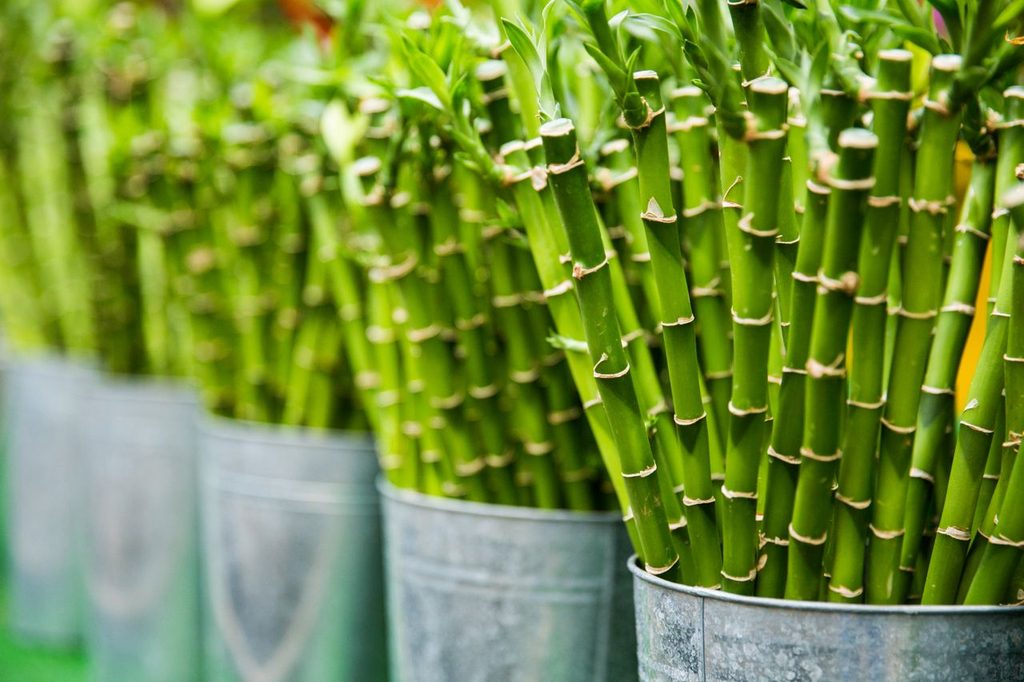
3. Lucky Bamboo — Good Fortune and Flexibility
Lucky bamboo is widely marketed as a symbol of good fortune, prosperity and positive beginnings, particularly in products influenced by feng shui.
Despite its common name, lucky bamboo is not a true bamboo. It is usually Dracaena sanderiana, a tropical plant that can be grown in water or soil.
Avoid making elaborate claims about the meaning of specific stalk numbers unless you understand the recipient’s cultural context. Lists assigning a different promise to every number are not interpreted consistently.
Lucky bamboo may appear easy to maintain, but it still needs suitable water, indirect light and occasional care. Fluoride or other chemicals in tap water can sometimes affect its leaves.
Plants in the Dracaena group can be unsafe for cats and dogs. Check the exact plant and the household before giving it.
Best for: Lunar New Year, business openings, housewarmings and new beginnings when the symbolism suits the recipient.
4. Rosemary — Remembrance and Connection
Rosemary has a longstanding association with remembrance in European literature and custom. This makes it a thoughtful gift for someone commemorating a person, place or shared experience.
A potted rosemary plant can also be practical. The recipient can use it in cooking if the plant has been grown and labelled for culinary purposes.
Rosemary needs plenty of light and good drainage. It may be happier outdoors than inside, depending on the recipient’s climate and available space.
Do not give a culinary plant that has been treated with products unsuitable for edible crops. Purchase it from a reputable nursery and retain the label.
Rosemary can be appropriate for remembrance, but context matters. For a joyful occasion, explain your intended meaning in a card so that the plant does not feel sombre.
Best for: remembrance, friendship, keen cooks and gardeners with a sunny space.
5. Olive Tree — Peace and Endurance
The olive branch is one of the most recognisable symbols of peace. An olive tree can therefore communicate peace, reconciliation, longevity or hope for an enduring future.
A small olive tree can be meaningful for a wedding, new home or significant new beginning. It is particularly suitable when the recipient has a sunny balcony, garden or bright outdoor space.
Olive trees need strong light and should not be treated as ordinary low-light houseplants. Their suitability depends considerably on climate and growing conditions.
They can also become large. Choose a compact young tree only if the recipient has somewhere appropriate to keep it.
An olive tree may be especially meaningful for someone with a connection to the Mediterranean, but do not assume that the symbolism is personal to them without knowing their background.
Best for: weddings, reconciliation, new homes and gardeners in suitable climates.
6. Snake Plant — Strength and Resilience
Snake plants are commonly chosen to represent strength and resilience because of their upright leaves and ability to tolerate periods of neglect.
This is primarily a useful modern interpretation rather than a universal traditional meaning.
Snake plants can tolerate a range of indoor conditions, making them more forgiving than many flowering plants. Nevertheless, they still need appropriate light, drainage and restrained watering.
Their pointed leaves may not suit every recipient’s aesthetic or cultural preferences. Some traditions attach negative meanings to sharp or spiky plants, particularly when given for a home.
Snake plants can also be toxic to cats and dogs if eaten.
Best for: new jobs, new homes and recipients who want a relatively forgiving indoor plant but do not have pets.
7. Peace Lily — Sympathy and Remembrance
The peace lily’s name and white flowers make it a familiar symbol of peace, comfort and remembrance. In many Western contexts, it is frequently sent to bereaved families.
That association can make a peace lily an appropriate sympathy gift, but it can also make it feel too closely connected with funerals for some birthdays, weddings or housewarmings.
Ask yourself whether the recipient is likely to appreciate its meaning and appearance before selecting it for a celebratory occasion.
Peace lilies prefer warmth, indirect light and moderate humidity. The Royal Horticultural Society recommends keeping them away from children and pets because they are poisonous. Read the RHS peace-lily care and safety guidance.
A peace lily should not be sent directly to a hospital without checking the hospital’s rules.
Best for: sympathy, remembrance and someone who specifically likes peace lilies.

8. Succulent — Endurance and Lasting Affection
Succulents are often chosen to represent endurance because they store water and can survive dry conditions. They may also suggest lasting affection, resilience or steady support.
These are modern gifting associations rather than meanings shared by every culture.
Succulents are compact and can suit desks, apartments and small homes. However, “succulent” describes a large and varied group of plants. Care and safety differ substantially between species.
Some succulents, including certain jade plants, kalanchoes and aloes, can be harmful to pets. Others may have sharp spines or irritating sap.
Do not describe all succulents as easy-care. Many require strong light and can quickly deteriorate when overwatered.
Choose a clearly labelled species and provide care instructions specific to it.
Best for: friendship, encouragement, small homes and experienced recipients with adequate light.
9. Spider Plant — Friendship and New Beginnings
A spider plant can be associated with friendship, connection and new beginnings. Its offshoots, often called plantlets or “spiderettes,” make it easy to propagate and share.
This gives the plant a natural connection with generosity: one healthy plant can eventually produce smaller plants for friends or family.
Spider plants are adaptable and often considered approachable for beginners, although they still require suitable light and watering.
The ASPCA lists the spider plant, Chlorophytum comosum, as non-toxic to cats and dogs. Cats may nevertheless be attracted to its long leaves, so it should still be positioned thoughtfully.
A cutting grown from your own established plant can be particularly personal. Present it only after it has developed a healthy root system and is ready to live independently.
Best for: friendship, housewarmings, new neighbours and beginner plant owners.
10. Potted Herbs — Care and Practicality
Potted herbs are useful gifts for recipients who enjoy cooking or gardening. They can communicate care, hospitality and the pleasure of sharing food without relying on complicated symbolism.
Suitable options may include:
- Basil
- Thyme
- Rosemary
- Mint
- Parsley
- Chives
Choose herbs based on the recipient’s cooking habits, climate and available light. Mint can spread aggressively outdoors, while basil generally needs warmth and ample light.
Confirm that the plant is intended for culinary use and has not been treated with unsuitable chemicals. Include its name and basic harvesting instructions.
Pet safety varies between herbs, so check the exact species if animals live in the home.
Best for: hosts, cooks, housewarmings and someone with a sunny kitchen, balcony or garden.
Best Plant Gifts for Different Occasions
| Occasion | Possible plant gift | What to consider |
|---|---|---|
| Housewarming | Spider plant, potted herbs or jade plant | Space, light and pets |
| Birthday | Orchid or a plant the recipient has requested | Personal taste and care experience |
| New job | Orchid, jade plant or compact succulent | Workplace rules and available light |
| Business opening | Orchid or jade plant | Cultural context and display space |
| Sympathy | Peace lily or rosemary | Funeral associations and household safety |
| Wedding | Olive tree or orchid | Climate, space and the couple’s preferences |
| Friendship | Spider plant, rosemary or a propagated cutting | Include the plant’s story |
| New Year | Lucky bamboo or a seasonal flowering plant | The recipient’s traditions |
| Host gift | Potted herbs or a compact flowering plant | Avoid creating extra work |
| Thank-you | Orchid, spider plant or culinary herbs | Keep the gesture proportionate |
These are starting points, not universal rules. A recipient’s wishes should always take priority over symbolic associations.
Plants can also be part of culturally specific celebrations. For example, spring flowers may accompany Nowruz gifts for Persian New Year, while plants appear in many traditions surrounding symbolic housewarming gifts.
Plant Gift Etiquette Across Cultures
Do not assume a meaning is universal
A plant may represent prosperity in one context, remembrance in another and nothing symbolic at all to someone else.
Use cultural associations as context rather than as a rigid rulebook.
Learn the plant’s correct name
Common names can be misleading. “Money plant,” for example, may refer to jade, pothos, Pachira aquatica or other species depending on the country.
Include the botanical name so the recipient can find accurate care and safety information.
Be cautious with numbers and arrangements
Lucky-bamboo arrangements are frequently marketed according to stalk numbers, but explanations vary between sellers and traditions. Avoid promising a specific spiritual or financial outcome.
Consider funeral associations
Peace lilies and some flowering plants may be strongly associated with sympathy or funerals in particular communities. That does not make them universally inappropriate, but context matters.
Avoid stereotypes
Do not assume that a Chinese recipient wants lucky bamboo, an Indian recipient wants holy basil or a Mediterranean recipient wants an olive tree.
A person’s nationality does not tell you their beliefs, decorating preferences or interest in gardening.
Our guide to gifts that can accidentally offend explains why personal and cultural context matters more than simplistic gift rules.
Plants You Should Avoid Giving
Unless you know the recipient’s circumstances, avoid:
- A plant that is toxic to their pets
- A poisonous plant in a home with young children
- A large plant requiring substantial space
- A species needing specialist humidity or temperature control
- A plant likely to become invasive outdoors
- A strongly scented plant when allergies are unknown
- A cactus or spiky plant when the recipient dislikes sharp plants
- A sympathy-associated plant for a joyful occasion without context
- A plant with pests, damaged leaves or unhealthy roots
- An unlabelled plant
- A plant that cannot legally be transported to the recipient
- A plant that the recipient has already said they do not want
Be particularly cautious with lilies around cats. Some true lilies can cause severe poisoning after very small exposures. Confirm the scientific name and consult an authoritative plant-safety resource before purchasing.
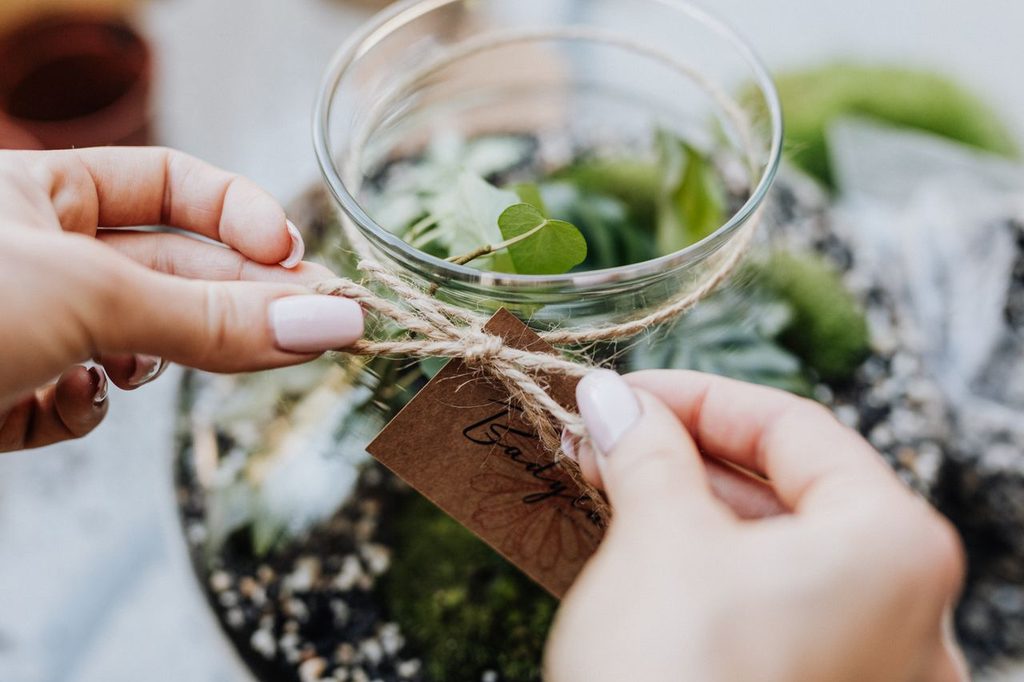
How to Present a Plant as a Gift
Keep the nursery pot
A decorative outer pot can improve presentation, but keeping the original labelled nursery pot makes drainage and identification easier.
Make sure the decorative container has adequate space and does not allow the plant to sit permanently in water.
Add a care card
Include:
- Common and botanical name
- Preferred light
- Approximate watering needs
- Suitable temperature
- Whether it is intended for indoor or outdoor growth
- Any known child or pet safety concerns
Avoid vague instructions such as “water once a week.” Watering needs change with the plant, season, potting mix and environment.
Explain why you chose it
A short note can clarify the intended meaning:
I chose this olive tree as a wish for peace, happiness and many years in your new home.
Or:
This spider plant was grown from mine. I hope it brings some life to your new space.
Wrap it carefully
Use a pot cover, paper sleeve or reusable cloth around the container. Do not leave the foliage tightly wrapped for an extended period.
Protect the plant from extreme heat or cold during transport and keep the pot upright.
Include a receipt when appropriate
A gift receipt allows the recipient to exchange the plant if it is unsuitable for their space or household. That is practical, not impersonal.
Frequently Asked Questions
Final Thoughts
Giving a plant as a gift can express growth, care, friendship, remembrance or hope for a new beginning. Its meaning becomes more powerful when the plant genuinely suits the recipient.
Before buying, consider the person’s available light, space, experience, lifestyle and household safety. Check the plant’s botanical name and avoid relying on universal claims about symbolism.
For an easy starting point, choose a healthy spider plant, pet-safe orchid or pot of culinary herbs. Include straightforward care instructions and a short note explaining why you selected it.
The most thoughtful plant is not necessarily the rarest or most symbolic one. It is the plant the recipient can safely enjoy and confidently help to grow.
Sources and Further Reading
- ASPCA — Toxic and non-toxic plants for cats
- ASPCA — Houseplant safety for pets
- Royal Horticultural Society — Choosing houseplants
- Royal Horticultural Society — Growing peace lilies
- Royal Horticultural Society — Houseplant growing media
- Isabella Stewart Gardner Museum — Jade-plant symbolism
- The Japan Times — Orchids in Japanese business gift culture
About the Author
Clara Rosen is the editorial pen name of the founder of The Gifting Edge. Originally from Austria and now based in Australia, she researches international gifting traditions, etiquette and symbolism using official, academic and locally informed sources.