
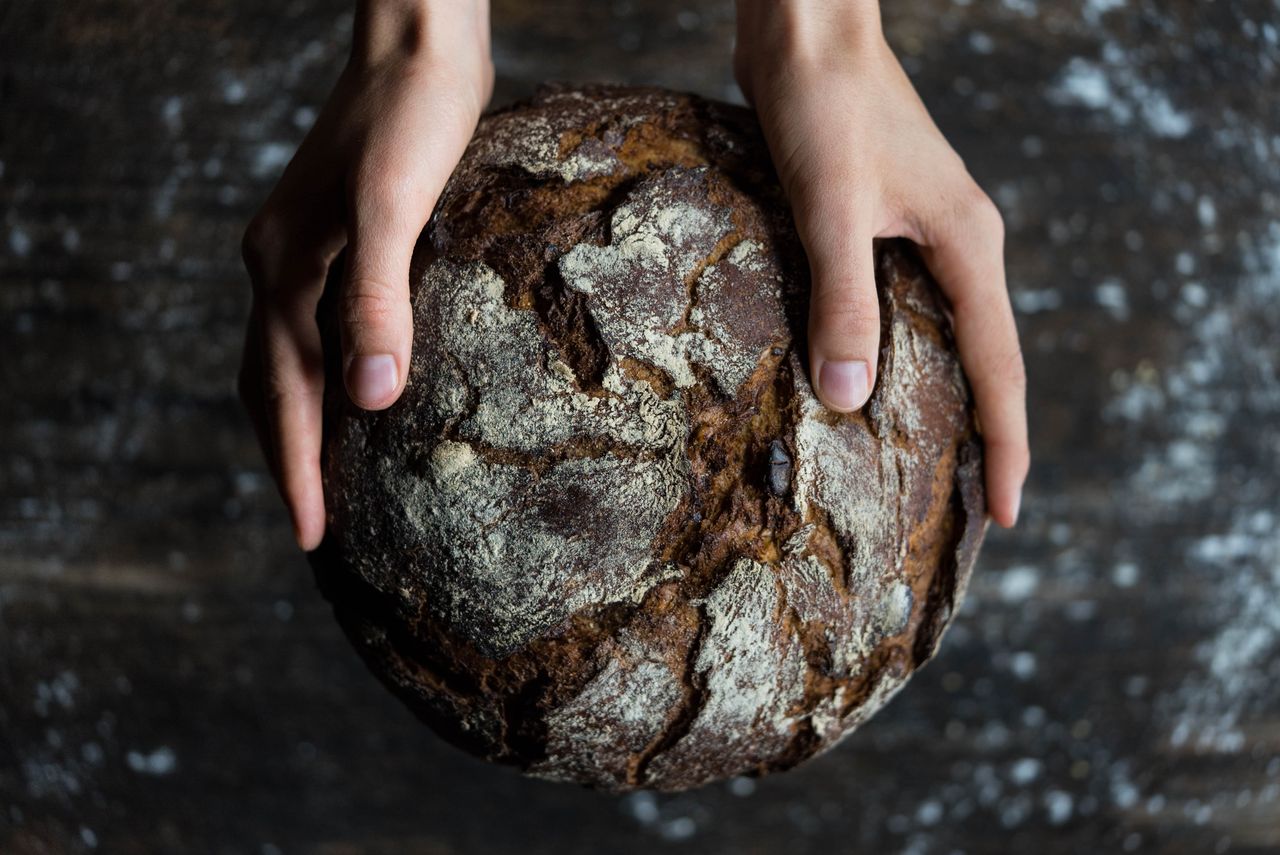
If you are looking for German housewarming gifts, the traditional answer is bread and salt. Given together, they express the wish that the new household will always have enough food, prosperity and flavour in life.
Bread and salt are not your only options, however. Quality food, a regional drink, a useful kitchen item or another modest gift chosen for the recipient can also be appropriate.
This guide explains ten traditional and modern housewarming gift ideas for Germany, what to bring to an Einweihungsfeier and the etiquette to follow when visiting a German home.
Disclosure: This article may contain affiliate links. If you buy something through one of these links, we may earn a small commission at no additional cost to you.
Best German Housewarming Gifts: Quick Answer
Good housewarming gifts in Germany include:
- Bread and salt
- Quality chocolates or bakery treats
- Wine, craft beer or a non-alcoholic regional drink
- A small plant or pot of herbs
- Useful kitchen textiles or utensils
- Specialty coffee, tea, honey or preserves
- A modest seasonal bouquet
- A cookbook or illustrated regional book
- A small locally made household object
- A practical gift card or offer of help
The best choice depends on how well you know the recipient. Bread and salt is the most recognisably traditional German housewarming gift, while food, drinks and useful household items are flexible modern alternatives.
Why Do Germans Give Bread and Salt?
Bread and salt—Brot und Salz—have long been given when someone moves into a new home.
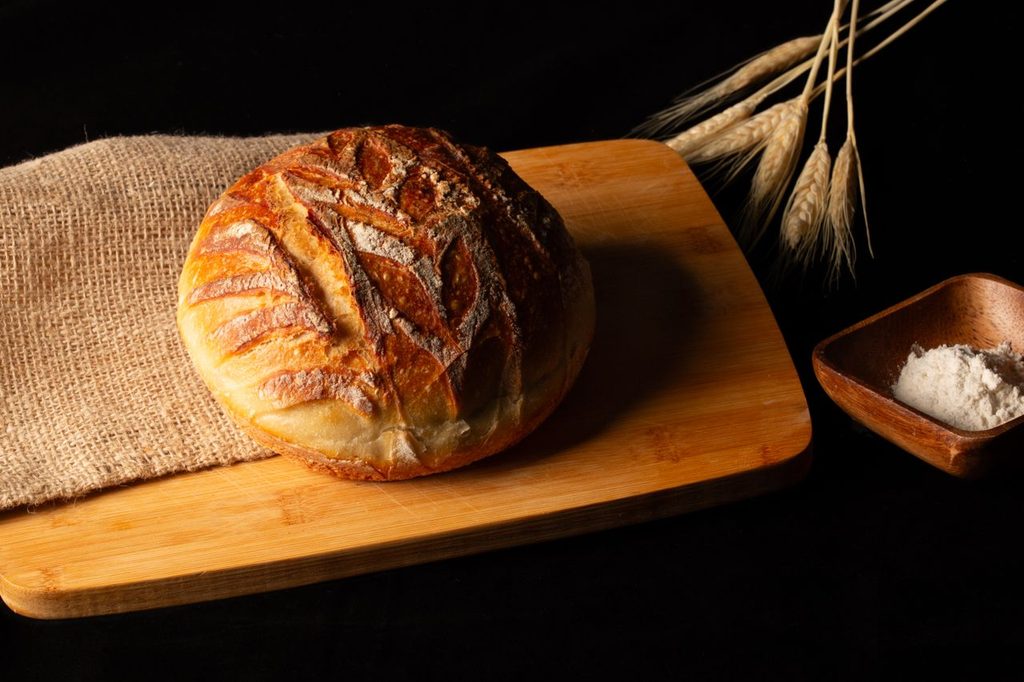
Both were historically essential household provisions. Bread represented sustenance, while salt was valuable for flavouring and preserving food. Giving the two together became a symbolic wish that the recipients would never lack the necessities of life.
Today, bread and salt are often associated with wishes for prosperity, happiness, permanence and good community in the new home. The gift may be accompanied by the traditional expression:
Brot und Salz, Gott erhalt’s.
This roughly means:
“May God preserve bread and salt.”
The expression can sound old-fashioned, but it remains closely connected with the custom. You do not need to say it if it feels unnatural. A simple message wishing the recipients happiness in their new home is equally suitable.
German moving resource Umziehen.de, published by Deutsche Post Adress, describes bread and salt as a classic symbolic gift for a new home and connects it with wishes for prosperity, happiness and a settled life. Read its explanation of the bread-and-salt tradition.
The tradition is not exclusive to Germany, and its interpretation can vary between families and regions. Nevertheless, it remains the strongest answer to the question, “What is a traditional German housewarming gift?”
10 German Housewarming Gift Ideas
1. Bread and Salt
For a traditional German housewarming gift, present a fresh loaf with a small container of good-quality salt.
The gift does not have to be elaborate. You could choose:
- A rustic bakery loaf
- A regional German bread
- A homemade loaf
- A small jar of sea salt
- A locally produced or flavoured salt
Place the bread and salt in a simple basket, on a wooden board or in a clean tea towel. Add a handwritten card explaining the meaning if the recipient is unfamiliar with the custom.
Because fresh bread has a short shelf life, consider when you will see the recipient. If the housewarming party is several days away, buy the bread shortly before the visit rather than preparing the gift too early.
You can also add olive oil, cheese or preserves, although bread and salt alone are enough to convey the traditional message.
2. Quality Chocolates or Bakery Treats
Shareable food is a safe modern choice for friends, neighbours or colleagues.
Suitable options include:
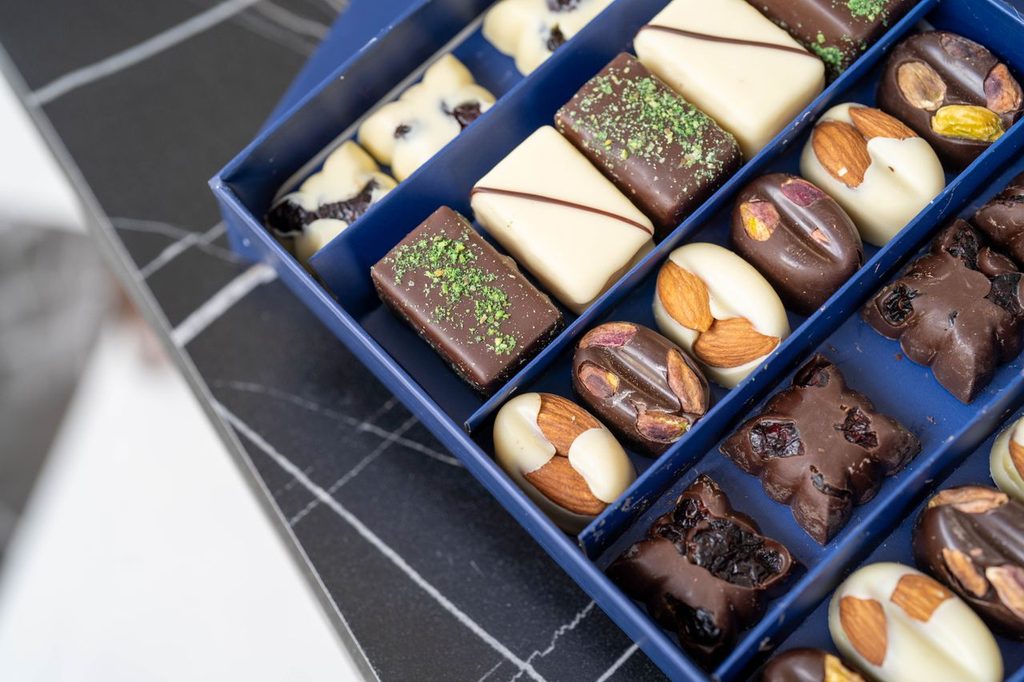
- Artisan chocolates
- Biscuits or cookies
- A small cake from a local bakery
- Regional confectionery
- Premium nuts
- A packaged sweet specialty from your home region
Food works particularly well when you do not know the recipient’s decorating preferences. It can be enjoyed without creating a permanent storage or display obligation.
Check for allergies, dietary restrictions and alcohol-based fillings before selecting the gift. If you are bringing homemade food, tell the recipients what it contains.
A specialty from your own city or country can be especially thoughtful when you are visiting Germany from overseas. It gives the gift a story without requiring you to find something stereotypically German.
3. Wine, Craft Beer or a Non-Alcoholic Regional Drink
If you know the recipients drink alcohol, a good bottle of wine or a small selection of regional beer can be appropriate.
Germany has many regional wine and beer traditions, but the gift does not need to be German. A bottle associated with your own region may be more personal.
Possible choices include:
- German Riesling or another regional wine
- A small craft beer selection
- Wine from your home region
- Sparkling wine
- Artisan apple juice
- Alcohol-free sparkling wine
- A specialty cordial or botanical drink
Do not assume that everyone drinks alcohol. If you are uncertain, premium juice, coffee, tea or another alcohol-free product is safer.
The host may save the bottle for another occasion rather than serving it immediately. A gift for the household is different from something the invitation specifically asks guests to contribute to the party.
4. A Small Plant or Pot of Herbs
A compact houseplant or culinary herb can add life to a new home, but it works best when you know the recipient likes caring for plants.
Consider:
- Rosemary
- Basil
- Mint
- A small succulent
- An easy-care foliage plant
- A seasonal flowering plant
Choose something healthy, manageable and suitable for the available light. Avoid a large plant that requires floor space or a demanding variety that creates unexpected work.
Households with pets or young children may also need to avoid certain species. If you are unsure, a pot of familiar culinary herbs is often easier than an ornamental plant.
Our guide to plant gift etiquette across cultures explains what to consider before giving a living plant.
5. Useful Kitchen Textiles or Utensils
Moving into a new home often reveals small practical things that are still missing.
A useful kitchen gift might include:
- Quality tea towels
- Wooden serving spoons
- A small chopping board
- Cloth napkins
- A trivet
- A simple serving bowl
- Reusable food-storage wraps
Look for durable materials and a restrained design unless you know the recipient’s taste well. Neutral textiles and simple wooden objects are easier to incorporate than brightly coloured or heavily patterned pieces.
Avoid buying large appliances, specialised gadgets or bulky cookware without asking first. The household may already own them or have limited storage.
A small useful item is generally better than an expensive object that the recipient feels obliged to keep.
6. A Pantry Specialty
A carefully selected pantry item combines practicality with a sense of occasion.
Ideas include:
- Specialty coffee
- Loose-leaf tea
- Local honey
- Fruit preserves
- Good olive oil
- A spice blend
- Mustard or another regional condiment
- Gourmet crackers
Choose something with a reasonable shelf life and clear ingredient information. Attractive packaging helps, but the quality and suitability of the product matter more than an elaborate presentation.
This is also a useful option for a new neighbour. A small local specialty creates an opportunity to introduce yourself without making the exchange feel overly formal.
If the recipients have only just moved in, items that can be used for an easy breakfast or snack may be particularly welcome.

7. Seasonal Flowers
A modest bouquet can be a warm housewarming gesture, especially when you know the recipient enjoys flowers.
Purchase the arrangement from a florist and explain that it is for someone’s new home. A florist can recommend seasonal flowers and help you avoid an arrangement that looks more appropriate for a funeral or romantic occasion.
Keep the bouquet manageable. Someone hosting an Einweihungsfeier may already be busy welcoming guests, serving food and finding containers for other flowers.
You could bring the flowers in a simple vase, but only if you know the household needs one. Otherwise, a wrapped seasonal bouquet is sufficient.
Flower meanings are not interpreted identically by every German recipient. Relationship, age, region and personal preference matter more than following an inflexible list of rules.
8. A Cookbook or Illustrated Regional Book
A carefully chosen book can suit recipients who enjoy cooking, architecture, gardening, art or local history.
Good possibilities include:
- A regional cookbook
- A baking book
- A compact book about the local area
- An illustrated architecture or design book
- A gardening guide
- A photography book connected to your home region
Select a book that reflects a known interest. A large decorative book can take up valuable space, so avoid choosing one simply because it looks impressive.
Consider the language as well. A visually led book may be more accessible if the recipient does not read the language fluently.
A cookbook can be paired with one ingredient used in a featured recipe, creating a thoughtful gift without making the package excessively expensive.
9. A Small Local Craft or Household Object
A modest handmade object can be memorable when it has a genuine connection to the giver or the region.
Examples include:
- Handmade coasters
- A small ceramic dish
- A locally made candleholder
- A woven basket
- A wooden serving board
- A small piece of practical pottery
Choose something useful and compact rather than a large decorative item. Home décor is personal, and the recipient may be working with limited space or a specific interior style.
A brief explanation of who made the object or where it comes from can make a simple item feel more meaningful.
For additional culturally meaningful options, see our guide to symbolic housewarming gifts from around the world.
10. A Practical Gift Card or Offer of Help
A gift card may seem less traditional, but it can be genuinely useful after a move.
Suitable choices might include:
- A local home or hardware shop
- A garden centre
- A nearby café or bakery
- A restaurant in the new neighbourhood
- A grocery or meal-delivery service
Keep the amount modest enough that it does not create pressure to reciprocate.
For close friends or relatives, practical help may be even more valuable. You could offer to:
- Bring a meal
- Help assemble furniture
- Look after children during unpacking
- Help in the garden
- Collect moving supplies
- Take empty boxes for recycling
Make the offer specific. “I can bring dinner on Thursday” is easier to accept than a general promise to help sometime.
What Should You Bring to a Housewarming Party in Germany?
For an ordinary German housewarming party, or Einweihungsfeier, bring one modest gift for the household. Bread and salt, chocolates, flowers or a bottle suited to the recipients are all reasonable choices.
A gift is a thoughtful custom, but it is not necessary to arrive with something expensive. The purpose is to acknowledge the new beginning, not to furnish the home.
Read the invitation carefully. If the host asks guests to bring food or drinks, follow that request. Something contributed to the party may be enough, although you can still add a card or small symbolic gift if you wish.
If you do not know the host well, choose something consumable. Food and drinks are usually less personal than décor and do not require permanent space.
What Is “Housewarming” in German?
Several German expressions may appear in invitations or conversations:
- Einweihungsfeier — a housewarming or inauguration celebration
- Einweihungsparty — an informal housewarming party
- Einzug — moving into a new home
- Einzugsgeschenk — a gift for someone moving into a new home
- zum Einzug — for the move or new home
- Brot und Salz zum Einzug — bread and salt for a new home
Duden lists Einweihung as the act of inaugurating or putting something into use and recognises Einweihungsfeier as the related celebration. See the Duden entry for “Einweihung”.
A useful message for a card is:
Alles Gute zum Einzug!
This means:
“Best wishes for your new home!”
You could also write:
Viel Glück und Freude im neuen Zuhause!
Meaning:
“Wishing you lots of happiness and joy in your new home!”

German Housewarming Gift Etiquette
Keep the gift modest
A housewarming gift should express goodwill without making the recipient feel indebted. Thoughtful and useful is more important than expensive.
Consider the recipient’s preferences
Alcohol, scented products, plants and decorative objects all depend on personal taste. Ask when you are uncertain, particularly if you know the recipient well enough to do so.
Add a short card
A handwritten message gives even a simple gift a sense of occasion. It can also explain the symbolism of bread and salt to someone unfamiliar with the tradition.
Present it neatly
The gift does not require extravagant wrapping. Clean paper, a reusable cloth, a basket or a simple ribbon is sufficient.
Follow the invitation
If guests are asked to bring food or drinks, check whether the host has assigned anything specific. This avoids ten people arriving with the same item.
Arrive at the agreed time
Do not rely on the claim that arriving late is more polite than arriving early. Follow the time on the invitation. If you expect a significant delay, let the host know.
Do not expect your gift to be used immediately
The host may put food away, save a drink or open the gift after the party. This should not be interpreted as a lack of appreciation.
What Should You Avoid Giving?
Unless you know the recipient’s preferences, avoid:
- Very expensive gifts
- Large decorative objects
- Strongly scented candles or diffusers
- Plants that require specialist care
- Alcohol when you do not know whether the recipient drinks
- Appliances the household may already own
- Highly personal toiletries
- Pets or any gift involving a long-term commitment
- Food without ingredient or allergen information
- Objects that require substantial storage
Flowers, colours and certain objects can also carry associations that vary according to context. Our guide to German gift etiquette mistakes explains the main issues in more detail.
These are precautions rather than rules followed identically by everyone in Germany. Personal preference is often more important than traditional symbolism.
Frequently Asked Questions
What is a traditional German housewarming gift?
Bread and salt is the best-known traditional German housewarming gift. The combination expresses wishes that the new household will have the necessities of life, prosperity and happiness.
Why do Germans give bread and salt for a new home?
Bread and salt were historically essential household provisions. Giving them together became a symbolic wish that the recipients would never lack food and would enjoy stability and good fortune in their home.
What should I bring to a housewarming party in Germany?
Bring a modest household gift such as bread and salt, chocolates, flowers, wine, a non-alcoholic regional drink or a useful kitchen item. If the invitation asks you to contribute food or drinks, follow the host’s request.
Are housewarming gifts expected in Germany?
A small gift is customary and appreciated, particularly when you have been invited to a housewarming party. However, it does not need to be expensive, and expectations vary between people and social groups.
Is wine a good German housewarming gift?
Wine can be a good choice if you know the recipient drinks alcohol. Choose a quality bottle within a modest budget. If you are uncertain, coffee, tea, juice or another specialty drink is safer.
Is a plant a good housewarming gift in Germany?
Yes, provided the recipient likes plants and has an appropriate place for one. Choose a small, easy-care plant or pot of herbs and check whether the household has pets or young children.
What is a housewarming party called in German?
A housewarming party can be called an Einweihungsfeier or, more informally, an Einweihungsparty. A gift for the occasion may be called an Einzugsgeschenk.
What should I write in a German housewarming card?
A simple and appropriate message is:
Alles Gute zum Einzug! Viel Glück und Freude im neuen Zuhause.
This means:
“Best wishes for your move. Wishing you happiness and joy in your new home.”
Final Thoughts
The best German housewarming gift does not need to be large or costly. It should acknowledge the recipients’ new beginning and suit their needs, preferences and available space.
For a traditional choice, bring bread and salt with a short explanation of their symbolism. For a flexible modern alternative, choose quality food, a regional drink or a small useful household item.
If you are uncertain, something modest and consumable is usually safer than personal décor. Present it neatly, add a sincere card and allow the recipients to enjoy it in their own time.
Sources and Further Reading
- Duden — Einweihung
- Duden — einweihen
- Umziehen.de by Deutsche Post Adress — Why bread and salt are given for a new home
- AD Germany — Bread and salt as a housewarming tradition
About the Author
Clara Rosen is the editorial pen name of the founder of The Gifting Edge. Originally from Austria and now based in Australia, she researches international gifting traditions, etiquette and symbolism using official, academic and locally informed sources.