
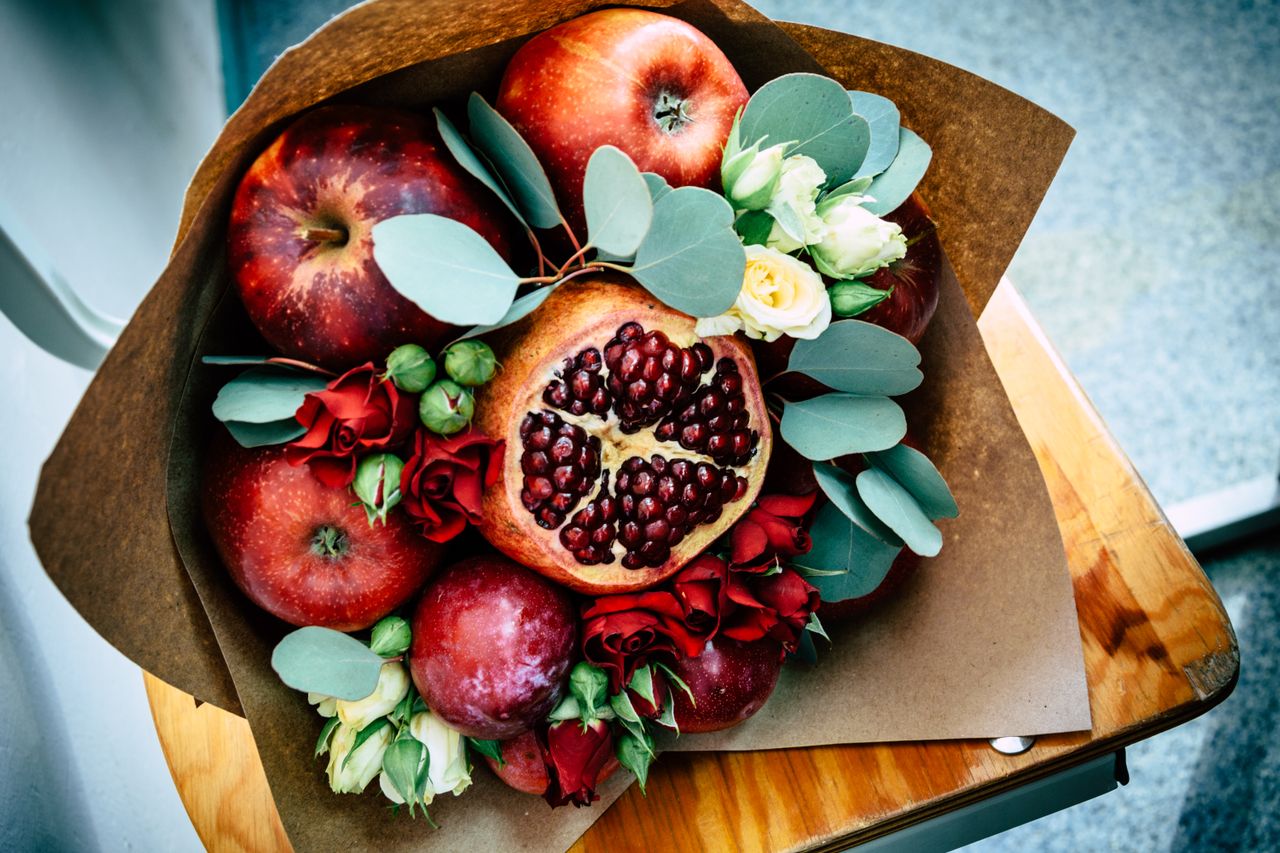
Rosh Hashanah is the Jewish New Year: a time for reflection, celebration and looking ahead with hope. If you have been invited to a Rosh Hashanah meal, or would simply like to send warm wishes to a Jewish friend, colleague or neighbour, a small, thoughtful gift can be a lovely gesture.
The most fitting choices tend to be simple rather than extravagant. Many draw on the holiday’s familiar symbols of sweetness, renewal and abundance – especially apples and honey, which are traditionally enjoyed with the wish for a sweet year ahead.
The best place to start is this: gifts are not a religious requirement. A kind greeting, an offer to help, or a modest host gift is more than enough. And because customs and dietary observance differ from one household to another, it is always thoughtful to check before bringing food, wine or flowers.
Quick answer: What is a good Rosh Hashanah gift?
A thoughtful Rosh Hashanah gift is usually simple and easy to share: a quality jar of honey, apples and honey, a kosher bakery treat, fruit, or a warm card wishing the recipient a sweet New Year. If you are attending dinner, check whether the host keeps kosher before bringing food or wine. Shanah tovah means “a good year” and is a lovely greeting to include.
When is Rosh Hashanah in 2026? Rosh Hashanah begins at sundown on Friday, 11 September 2026, and ends after nightfall on Sunday, 13 September 2026. If you are sending a gift, arrange delivery before Friday evening. Confirm the 2026 dates with Hebcal.
What Is Rosh Hashanah?
Rosh Hashanah marks the beginning of the Jewish year and opens the High Holy Days, a period that culminates in Yom Kippur. It is observed over one or two days depending on community and location, beginning at sundown.
Celebrations often include synagogue services, festive meals and symbolic foods. Apples dipped in honey are perhaps the best-known tradition, expressing the hope for a good and sweet new year. Other foods, such as round challah, pomegranates and dates, may appear on the table too – although the precise customs can vary widely across Ashkenazi, Sephardi, Mizrahi and other Jewish communities.
What Should You Bring to a Rosh Hashanah Dinner?
If you are invited to a Rosh Hashanah dinner, a small host gift is a gracious gesture, although it is not a religious requirement. Honey, fruit, a kosher bakery treat, flowers delivered before the holiday or a thoughtful card can all be appropriate.
Choose something that is easy for the host to receive and does not create extra work on an already busy evening. When in doubt, a non-food gift or a gift card to a local kosher bakery is a considerate option.
10 Thoughtful Rosh Hashanah Gift Ideas
1. A Beautiful Jar of Honey
Honey is one of the most meaningful Rosh Hashanah gifts. It connects directly to the wish for a sweet new year and is useful well beyond the holiday itself.
Look for a good-quality jar from a local beekeeper or food producer, then add a handwritten note wishing the recipient a sweet year ahead. If the recipient keeps kosher, ask whether they prefer a particular certification. This is especially important for flavoured or processed honey and products containing additional ingredients.
2. Apples and Honey in a Simple Gift Basket
A small basket with crisp apples, honey and perhaps a wooden honey dipper is traditional without being overdone. It makes an especially nice gift for a host, neighbour or family with children.
Keep it elegant and practical: choose fruit that travels well, package it lightly, and avoid adding unfamiliar foods unless you know the household’s preferences.

3. A Honey Dish or Honey Pot
A ceramic honey pot, small serving bowl or honey dish is a lasting gift that can be brought out each Rosh Hashanah. It is useful, decorative and more personal than a generic homeware item.
For a close friend or family member, choose a design that suits their home. Apple- or pomegranate-inspired designs can feel festive, but a simple handmade piece is equally thoughtful.
4. Kosher Wine or Sparkling Grape Juice
Wine and grape juice are used in many Jewish celebrations, so a bottle can be an appropriate host gift when you know it suits the household. Choose a certified kosher option if the recipient keeps kosher.
If you are unsure whether your host drinks alcohol, kosher-certified sparkling grape juice is a thoughtful non-alcoholic alternative. When you do not know their dietary practice, it is perfectly fine to ask before buying anything – that is more considerate than guessing.
5. A Gift From a Kosher Bakery
A box of honey cake, challah, rugelach or other baked treats can be a wonderful choice. Ordering from a kosher bakery whose certification the household accepts can make the gift easier to choose.
Do not assume every Jewish household keeps kosher in the same way. A quick question such as, “Would you enjoy something from [local bakery]?” is both practical and respectful.

6. Pomegranates or a Seasonal Fruit Box
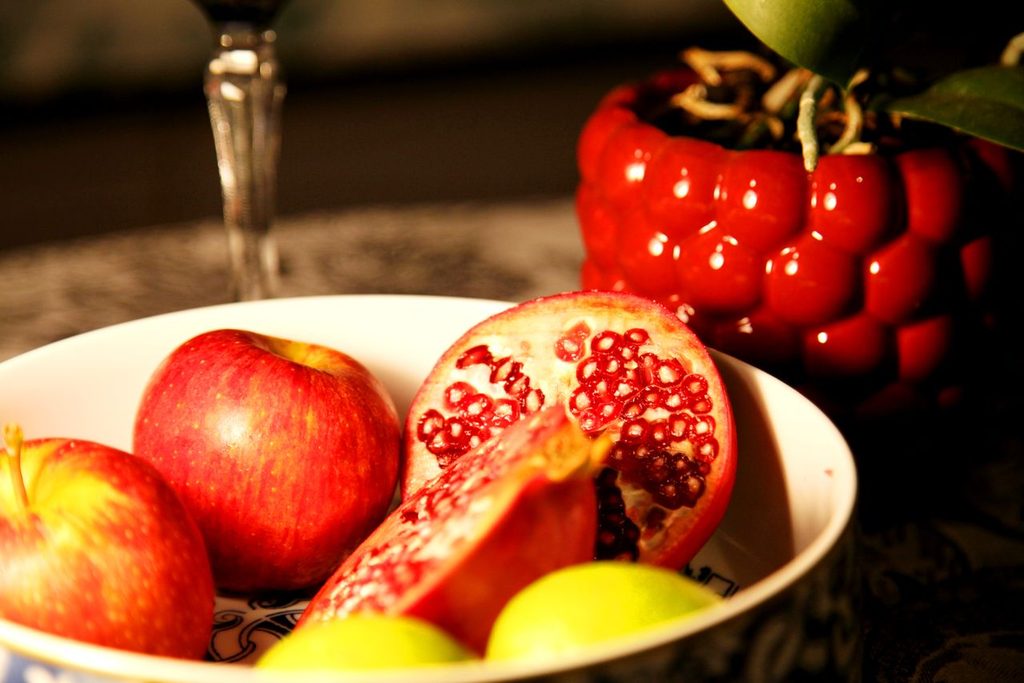
Pomegranates are associated with Rosh Hashanah in many communities and are often connected with abundance and good deeds. A carefully chosen box of seasonal fruit is colourful, useful and easy to enjoy after the holiday meal.
This is a good alternative when you would like to acknowledge the season without bringing prepared food. Just keep the selection simple and fresh rather than turning it into an elaborate hamper.
7. A Charitable Donation in Their Honour
For someone who prefers less “stuff”, make a donation to a cause they care about and include a thoughtful card. Giving to charity, or tzedakah, is an important Jewish value, making this a meaningful option at a time of reflection and renewal.
Choose a cause you know matters to them rather than assuming. Local food relief, refugee support, education, medical research or a Jewish community organisation can all be appropriate depending on the person.
For other thoughtful, no-clutter ideas, see our guide to Gift Ideas for a Minimalist.
8. Flowers or a Small Plant – After Checking First
Flowers can be a lovely host gift, especially for a family meal. However, they are not the easiest choice for everyone: some hosts may prefer not to arrange flowers during the holiday, and others may have allergies, pets or limited space.
Ask first if you can. If flowers are welcome, deliver them before the holiday begins, or choose a low-maintenance plant that the recipient can simply enjoy.
If you are considering a living gift, our guide to giving a plant as a gift covers pet safety, care and symbolic meanings.
9. A Thoughtful Table or Home Gift
A linen napkin set, serving board, candleholders or a beautiful tea towel can make a generous but low-pressure host gift. It does not need to be explicitly religious to feel appropriate; the thoughtfulness lies in choosing something useful and suited to the person.
Avoid giving ritual items, such as a shofar or other Judaica, unless you know the recipient well and are confident it is something they would genuinely value. Religious objects are personal, and a well-intended gift can miss the mark when chosen without context.
10. A Handwritten Rosh Hashanah Card
Never underestimate the power of a sincere card. Pair it with a jar of honey, a bakery gift or even a simple bunch of flowers – or send it on its own if you are not attending in person.
You might write:
Wishing you and your family a happy, healthy and sweet New Year. Shanah tovah!
“Shanah tovah” means “a good year” and is a widely used Rosh Hashanah greeting. If you know the recipient well, a personal message about the year ahead will make it even warmer.
Rosh Hashanah Gift Etiquette: A Few Simple Rules
Check Dietary Needs Before Bringing Food
Kosher observance is not all-or-nothing, and the details can matter. If you are unsure, ask whether the household keeps kosher and whether there is a preferred bakery, shop or certification. This is especially important with wine, baked goods, sweets and gift baskets.
Do Not Assume Every Tradition Is the Same
Apples and honey are widely recognised, but Rosh Hashanah customs are shaped by family background, community and personal practice. Avoid presenting one tradition as the only “correct” way to celebrate.
Keep the Gift Easy to Receive
Hosts may be preparing a substantial meal and observing holiday restrictions. A gift that needs refrigeration, plating or last-minute preparation can be more of a burden than a pleasure. Shelf-stable, ready-to-enjoy gifts are usually ideal.
Time Your Delivery Thoughtfully
If you are sending a gift, have it arrive before the holiday begins. Because many Jewish households avoid using phones, driving or handling deliveries during the holiday, an early delivery is the safest and kindest choice.
What Not to Give for Rosh Hashanah
There are few gifts that are universally inappropriate for Rosh Hashanah. The main risk is bringing something that conflicts with the household’s dietary practice, creates work for the host or treats a religious tradition as a novelty.
Unless you know the recipient’s preferences, avoid:
- Food or wine without a kosher certification accepted by the household
- Gift baskets containing products with unclear ingredients or preparation
- Alcohol when you do not know whether the recipient drinks
- Food requiring immediate cooking, refrigeration or serving
- Flowers that arrive during the holiday or need arranging immediately
- Strongly scented products when allergies and preferences are unknown
- A shofar or other ritual object chosen without understanding how it will be used
- Religious symbols purchased primarily as decorative novelties
- An unusually expensive gift that creates pressure to reciprocate
Kosher observance varies between households. It involves more than avoiding particular ingredients, and one family may accept certifications or products that another does not. If you are uncertain, ask the host or choose a non-food gift.
The safest present is modest, easy to receive and selected for the individual—not something intended to demonstrate how much you know about the holiday.
For more examples of ordinary presents that can convey an unintended message, see our guide to gifts that can accidentally offend.
Final Thoughts
A good Rosh Hashanah gift is a small way of saying, “I’m thinking of you as the new year begins.” Honey, fruit, a bakery treat, a home gift or a heartfelt card can all work beautifully when chosen with the recipient in mind.
If you are unsure, ask. Most people will appreciate the care behind the question, and a simple “What would be most useful for your family?” is often the most respectful gift etiquette of all.
For more ideas that travel well across occasions and traditions, see our guide to Best Global Gift Ideas: 15 Safe Picks for Any Culture. You can also explore Nowruz Gift Ideas: Celebrate Persian New Year for another thoughtful look at gifting around a new-year celebration.
Frequently Asked Questions
Sources and Further Reading
Rosh Hashanah traditions vary between families and communities. These trusted Jewish educational resources offer helpful background on the holiday and its food customs:
- Reform Judaism: Why Apples and Honey?
- Chabad.org: How to Celebrate Rosh Hashanah
- My Jewish Learning: Rosh Hashanah Gift Guide
- Hebcal: Rosh Hashana 2026
About the Author
Clara Rosen is the editorial pen name of the founder of The Gifting Edge. Originally from Austria and now based in Australia, she researches international gifting traditions, etiquette and symbolism using official, academic and locally informed sources.